Alcohol & Substance Abuse · Lesson 3 · ~4 min

The Science of Substance Abuse & Addiction

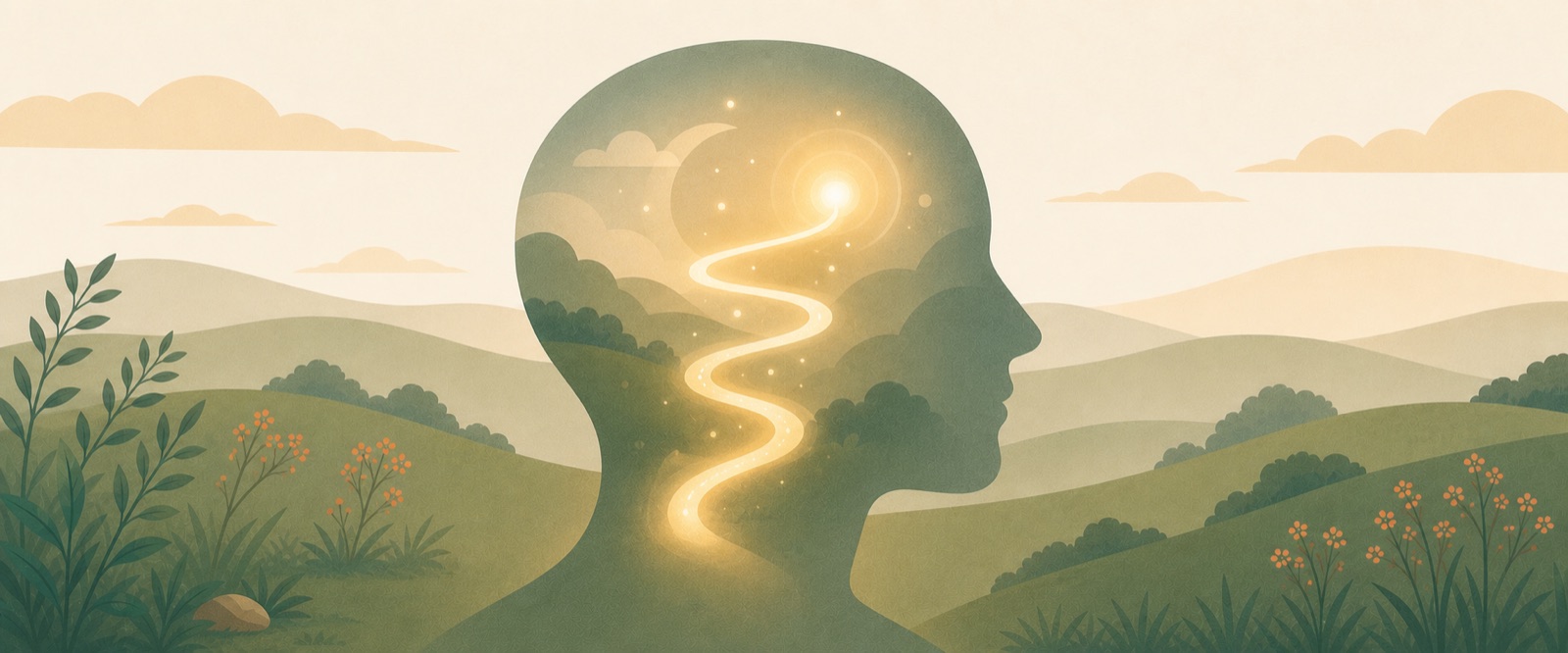
A human head in profile filled with a calm landscape and a glowing winding path of light rising toward a bright point — a picture of the brain's reward pathway.
Your brain's reward pathway, lit up.

Lesson 1 promised an explanation for why "just stop" is so much harder than it sounds. Here it is. Addiction changes the actual machinery of the brain — and once you see how, the whole thing makes more sense, and less shame.

Your brain has a "do it again" button

Deep in the brain sits the reward pathway. When you do something that helps you survive — eat when hungry, connect with people — it releases a chemical called dopamine. Dopamine is the brain's way of saying: "that mattered — remember it, do it again."1

Drugs flood the button

Alcohol and other drugs hijack this system, releasing far more dopamine than any natural reward ever would — a flood, not a trickle.1 The brain takes note in the strongest possible terms: this, above everything else, is worth repeating. That's the hook.

The brain fights back — and that's the trap

Flooded over and over, the brain protects itself: it turns down its own dopamine system.1 Two things follow, and they're the core of the problem:

Tolerance
You need more of the substance to feel the same effect. The old amount stops working.
Everything else goes flat
With the dopamine system dialed down, ordinary joys — food, company, a good day — feel gray. The drug can start to feel like the only thing that works.

The "brakes" get weaker too

Just behind your forehead is the prefrontal cortex — the part that plans, judges risk, and says "not now." Sustained substance use weakens it, right as the reward pathway is screaming louder.1 Strong gas pedal, weak brakes. That imbalance is why willpower alone so often loses — and why it is not a fair measure of a person's character.

The one idea to keep
Addiction is a brain change, not a daily failure of will: a flooded reward pathway plus weakened brakes. That's also the good news — brains can heal, and treatment works with that biology instead of against it.

Support & help lines

Emergency — overdose or immediate danger
Call 911.
In crisis — thoughts of suicide
Call or text 988.
Free, confidential support — 24/7
Call 1-800-662-HELP (4357), the Substance Abuse and Mental Health Services Administration helpline. Prefer text? Text your ZIP code to 435748 (HELP4U).
Help near you — an anonymous treatment locator
findtreatment.gov

Sources

  1. "Drugs and the Brain" — NIDA, NIH (reward pathway, dopamine, basal ganglia, tolerance, prefrontal cortex).
← Lesson 2 Course Map Next lesson →